


Beginner’s Guide to Peptides for Fat Loss: What to Know Before You Start
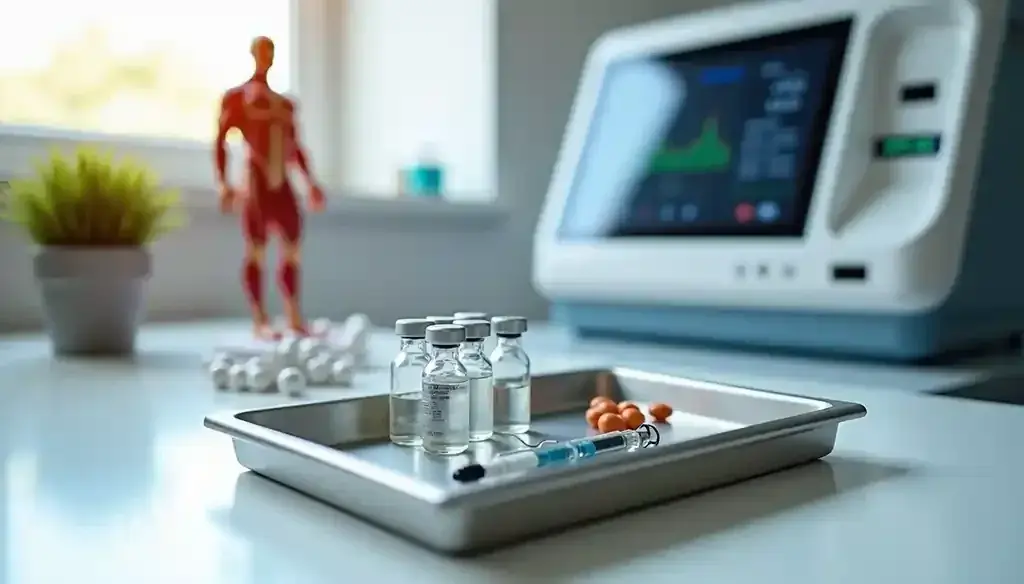
Peptides represent a new frontier in fat loss for beginners who want to optimize their health. Peptide therapy has gained momentum in drug discovery, clinical research, and therapeutic applications. These short chains of amino acids tell the body to trigger specific metabolic and hormonal responses. They promote fat burning, regulate hormones, suppress appetite, and help maintain lean muscle mass.
Tirzepatide and semaglutide have emerged as the most effective options for weight loss. A newer study, published in 2021, showed that people who took tirzepatide lost approximately 4-12 more pounds compared to those using semaglutide. Peptides can improve fat loss results when combined with diet and exercise. But anyone considering peptide therapy should first understand these compounds, their mechanisms, and their long-term safety.
This detailed guide explores weight loss peptides, their safe usage, potential side effects, and clears up common myths about peptides being steroids (they're not). Peptide therapy works best with personalized treatment plans that align with individual goals and each body's unique requirements.
What Are Peptides and How Do They Work?
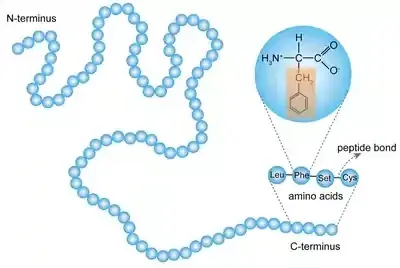
Understanding peptides begins with their simple structure. Peptides are short chains of amino acids that typically contain between 2-50 amino acids linked by peptide bonds. These molecular compounds act as powerful messengers in the body and signal specific biological processes.
Peptides vs. proteins: key differences
Size creates the main difference between peptides and proteins. Both contain amino acids connected by peptide bonds, but peptides have shorter chains:
-
Peptides: 2-50 amino acids
-
Proteins: Generally more than 50-100 amino acids
Their size affects their complexity. Proteins have intricate three-dimensional structures with multiple folded regions called domains. Peptides feature simpler structures with limited folding and function mainly as signaling molecules rather than structural elements.
Are peptides steroids?
Many people confuse peptides with steroids, but they are completely different compounds. Peptides consist of amino acid chains, while steroids are ring-shaped fatty molecules. Both can support muscle development and fat reduction through different mechanisms:
-
Peptides trigger your body's natural processes and encourage glands to produce hormones instead of replacing them
-
Steroids artificially increase hormone levels in the body
On top of that, it's worth noting that peptides usually pose fewer risks and leave your system faster, which makes side effects easier to manage.
How peptides affect metabolism and fat loss
Peptides influence weight management in several ways:
-
Hormone Regulation : Many peptides trigger or block production of key hormones like growth hormone, insulin, and leptin
-
Metabolic Enhancement : These hormonal changes speed up metabolic rate and help burn calories more effectively
-
Appetite Control : Some peptides affect hunger hormones and naturally reduce cravings
-
Fat Mobilization : Higher metabolic activity helps break down stored fat cells for energy
To cite an instance, see how growth hormone releasing peptides improve fat breakdown while blocking fat storage. GLP-1 receptor agonists slow down stomach emptying, make you feel fuller, reduce appetite, and ease food cravings.
Peptides work with your body's natural systems instead of fighting against them, unlike traditional weight loss methods.
Types of Peptides for Fat Loss
Different peptide categories help with fat loss in unique ways. Each type works through its own mechanism and brings specific benefits.
GLP-1 receptor agonists (e.g., semaglutide, tirzepatide)
GLP-1 receptor agonists copy what glucagon-like peptide-1 does - a hormone your gut releases after eating. These peptides boost insulin production, lower glucagon levels, and slow down stomach emptying. This makes you feel full longer. The FDA has approved semaglutide to help with weight loss. Clinical trials show it helped people lose 14.9% of their body weight over 68 weeks. Tirzepatide targets both GLP-1 and GIP receptors and works even better. Real-life results show tirzepatide users lost 15.3% of their weight in 12 months, while semaglutide users lost 8.3%.
Growth hormone secretagogues (e.g., CJC-1295, ipamorelin)
Growth hormone secretagogues tell your pituitary gland to release more growth hormone, which speeds up fat metabolism. CJC-1295 and ipamorelin work together perfectly. CJC-1295 makes growth hormone last longer, and ipamorelin creates a gentle release. This combination helps you heal faster, burn fat better, and keep lean muscle. You can think of these peptides as your body's "night-shift repair crew".
Fat-burning peptides (e.g., AOD-9604)
AOD-9604 comes from human growth hormone's amino acids 177-191. It targets fat breakdown without affecting blood sugar or muscle growth. This peptide helps break down fat and stops new fat from forming. It also activates beta-3 adrenergic receptors, which helps your body use stored fat for energy.
Peptides that suppress appetite
Some peptides directly affect your brain's hunger signals. D3 peptide cuts down appetite through the UGN-GUCY2C endocrine axis. Studies show it leads to significant drops in 24-hour food intake. These peptides do more than just reduce hunger - they help fix leptin sensitivity, which lets your body better recognize when it's full. This is especially helpful since obesity often disrupts these signals.
How to Start Using Peptides Safely
Safe administration and proper safety protocols play a vital role in peptide therapy for weight loss. You must handle and administer peptides with care to keep them effective and reduce risks.
How to take peptides: injection vs. oral
Subcutaneous injection works best to deliver peptides because their molecular structure breaks down easily in the digestive system. The injections help peptides reach target areas without breaking down. The original oral peptides worked poorly with only 1-2% bioavailability. In spite of that, scientific progress gave us viable oral peptides like semaglutide—the first FDA-approved oral peptide that treats diabetes and obesity. New delivery methods like transdermal patches and nasal sprays show promise too.
Dosage and timing basics
Start with lower doses when you begin peptide therapy. Clinical guidelines suggest taking growth hormone peptides (like Ipamorelin) before bed or after workouts on an empty stomach. Your body absorbs peptides best when you avoid food 30 minutes before and 90 minutes after the injection. Your age, weight, and health determine the right dose for you.
Storage and handling tips
Keep mixed peptides in your refrigerator at 4°C (39°F). Store lyophilized (powder) peptides at -20°C away from light. After mixing:
-
Don't shake the solution - it damages peptides
-
Use it within 30 days
-
Write down the mixing date
-
Keep it protected from direct light
Do peptides require a prescription?
Yes, it is illegal to use therapeutic peptides without a prescription from a licensed practitioner. Getting peptides without a prescription raises a "giant red flag". A full picture from blood tests helps determine if peptide therapy suits you.
Are peptides safe for long-term use?
Qualified professionals can safely administer peptide therapy. Regular checks of hormone levels and overall health ensure long-term safety. People with melanoma history, pregnant women, and nursing mothers should stay away from peptide therapy.
Risks, Side Effects, and Legal Considerations
You need to get a full picture of safety before starting peptide therapy for fat loss. A good understanding of potential risks helps beginners make better decisions.
Common peptide side effects
Different peptides can affect people in various ways. Users often notice mild reactions where they inject, like redness, swelling, or discomfort. The body might also react with water retention, headaches, changes in blood sugar levels. stomach issues, and tiredness as it adapts. People using growth hormone-related peptides sometimes feel joint discomfort during tissue response.
Who should avoid peptide therapy?
We found that pregnant or breastfeeding women should stay away from peptide treatments. All but one of these groups should be extra careful - people with melanoma history, autoimmune disorders, or liver/kidney problems. Anyone taking medications needs to check with their healthcare provider because of possible interactions.
Are peptides FDA approved?
The FDA has approved only certain peptides for specific medical uses. Most fat-loss peptides follow compounding regulations. Keep in mind that peptides need FDA approval, USP monograph, or placement on the 503A Bulks List for legal human use.
Understanding research-grade vs. pharmaceutical-grade peptides
Pharmaceutical-grade peptides go through strict quality control and reach 98-99% purity. Research peptides marked "not for human consumption" don't have these standards for purity, potency, or sterility. That's why pharmaceutical options are a great way to get verified safety standards, despite higher costs.
Final Word about Peptides
Peptides are the foundations of effective fat loss solutions that go beyond traditional methods. These amino acid chains work with your body's natural systems instead of fighting against them. This makes them an attractive option if you have struggled with conventional approaches. In spite of that, safety must stay the top priority when you think over peptide therapy.
Note that peptides need proper medical supervision. These compounds should only come from licensed practitioners who can write prescriptions and monitor your progress, despite their rising popularity. It also helps to start with lower doses and increase them based on how your body responds. This approach helps reduce potential side effects.
GLP-1 receptor agonists, growth hormone secretagogues, and specialized fat-burning peptides each offer unique paths to weight management. Understanding how these different mechanisms work leads to better decisions about which peptide might arrange with your goals and health status.
Peptides are nowhere near as risky as steroids, but they still come with some risks. A full picture will give you clarity about their suitability, especially since pregnant women, cancer patients, and people with specific health conditions should avoid peptide therapy. Without doubt, pharmaceutical-grade peptides from trusted sources are safer than unregulated research-grade options.
Peptide therapy isn't a miracle cure or a standalone solution for weight management. These compounds work best alongside healthy habits, proper nutrition and regular exercise. The science behind peptides grows faster each day, and new research keeps improving what we know about their uses and limits.
Peptides ended up showing most important promise for people fighting stubborn fat while wanting to keep their muscle mass. But their success depends heavily on proper use, realistic expectations, and ongoing medical supervision. You should really talk about benefits, risks, and other options with qualified healthcare providers before you begin peptide therapy for fat loss.
Frequently Asked Questions
What are the most effective peptides for fat loss?
The most effective peptides for fat loss include GLP-1 receptor agonists like semaglutide and tirzepatide, growth hormone secretagogues such as CJC-1295 and ipamorelin, and specialized fat-burning peptides like AOD-9604. These peptides work through various mechanisms, including appetite suppression, metabolic enhancement, and increased fat mobilization.
How are peptides typically administered for weight loss?
Peptides are most commonly administered through subcutaneous injections, as this method ensures the highest bioavailability. However, some peptides, like semaglutide, are now available in oral form. The specific administration method depends on the type of peptide and should be determined by a healthcare professional.
Are peptides safe for long-term use in weight management?
When used under proper medical supervision, peptides are generally considered safe for long-term use. However, regular monitoring of hormone levels and overall health is recommended. It's important to note that safety can vary depending on individual health conditions and the specific peptide being used.
Do I need a prescription to use peptides for fat loss?
Yes, therapeutic peptides legally require a prescription from a licensed healthcare practitioner. Obtaining peptides without a prescription is not recommended and can be potentially dangerous. A comprehensive health assessment, including blood tests, is typically required before starting peptide therapy.
What are common side effects of using peptides for weight loss?
Common side effects of peptide use may include mild injection site reactions, water retention, headaches, temporary changes in blood sugar levels, digestive discomfort, and fatigue. The severity and occurrence of side effects can vary based on the specific peptide and individual response. It's crucial to discuss potential side effects with a healthcare provider before starting peptide therapy.
References
https://pubmed.ncbi.nlm.nih.gov/11713213/
https://www.medicalnewstoday.com/articles/peptides-for-weight-loss
https://www.innerbody.com/beginners-guide-to-peptide-therapy
https://www.webmd.com/a-to-z-guides/what-are-peptides
Articles

To understand the mechanism of action of Anabolic Steroids in general and in bodybuilding in particular, we need to know what the hormone testosterone is and how it acts inside the human body...
They have the potential to enhance the growth of cells, division as well as the growth of various other tissues in our body, improve appetite and also help in puberty issues. This is the reason steroids have an important impact on sports as well, mainly Bodybuilding...
In this article, we’ll take a deep dive into peptides vs. other weight loss methods. We’ll compare their mechanisms, safety profiles, long-term effectiveness, and how each one works (or fails) depending on your unique physiology. Whether you’re stuck in a plateau, just starting your weight loss journey, or curious about the latest science-backed solutions, this guide will help you decide which path is worth your energy.
Customers Feedbacks
Please leave your feedback on products or service below.
Thank you beforehand.