


Dragon Pharma Peptides (35 Offers)
Peptides represent one of the fastest-growing categories in modern biomedical research, spanning applications in endocrinology, metabolism, tissue regeneration, healthy aging, and cellular signaling. Dragon Pharma's peptide portfolio includes growth hormone secretagogues, regenerative peptides, metabolic modulators, bioregulators, and next-generation receptor agonists designed for advanced research applications.
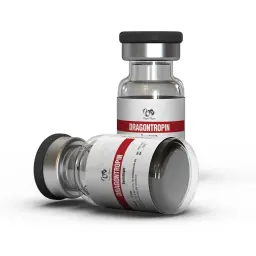
- Manufacturer: Dragon Pharma
- Active Ingredients: Somatropin
- Dosage: 10 & 20 iu vials (100 & 200 iu per Kit)
- Package Size: 10 vials Kit
- Form: Freeze-dried (lyophilized) powder (Bac water not included)
- Use: Growth hormone deficiency, Anti-aging, Performance Enhancement
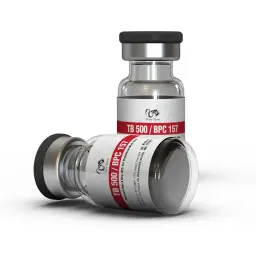
- Brand: Dragon Pharma
- Active Ingredients: TB 500 & BPC 157 Blend
- Dosage: 10 mg per vial
- TB 500 5 mg/vial
- BPC 157 5 mg/vial
- Package Size: One 2 ml vial
- Form: Freeze-dried (lyophilized) powder (Bac water not included)
- Use: Accelerates injury recovery, reduces inflammation, and repairs connective tissues
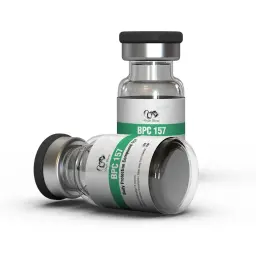
- Brand: Dragon Pharma
- Active Ingredients: Body Protective Compound 157
- Dosage: 5 mg per vial
- Package Size: One 2 ml vial
- Form: Freeze-dried (lyophilized) powder (Bac water not included)
- Use: Researched for recovery of injuries, particularly tendon, ligament, muscle, and bone
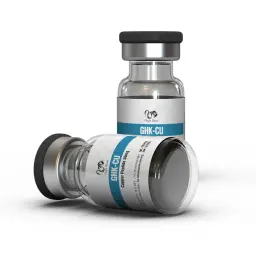
Manufacturer: Dragon Pharma, Europe
Substance: GHK-CU
Package: vial ( 50mg )
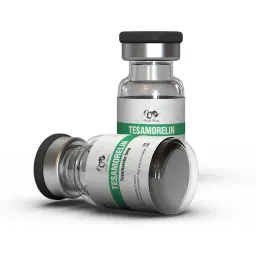
- Brand: Dragon Pharma
- Active Ingredients: Tesamorelin
- Dosage: 5 mg per vial
- Package Size: One 2 ml vial
- Form: Freeze-Dried Powder (Bacteriostatic Water Not Included)
- Use: Specifically for reducing excess abdominal fat
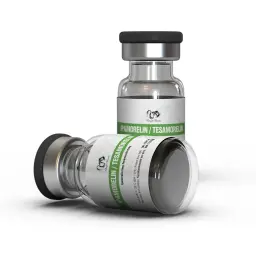
Manufacturer: Dragon Pharma, Europe
Substance: Ipamorelin Tesamorelin
Package: vial ( 10mg )
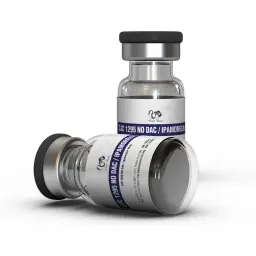
Manufacturer: Dragon Pharma, Europe
Substance: CJC-1295 5mg,Ipamorelin 5mg
Package: vial ( 10mg )
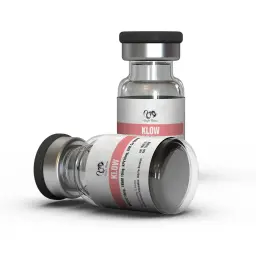
Manufacturer: Dragon Pharma, Europe
Substance: BPC 157 10mg,TB 500 10mg,KPV 10mg,GHK-Cu 50mg
Package: vial ( 80mg )
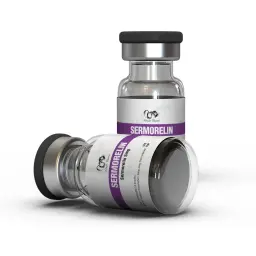
- Brand: Dragon Pharma
- Active Ingredients: Sermorelin
- Dosage: 5 mg per vial
- Package Size: One 2 ml vial
- Form: Freeze-dried (lyophilized) powder (Bac water not included)
- Use: Growth Hormone Deficiency, Stimulates released of growth hormone
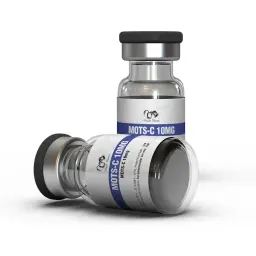
Manufacturer: Dragon Pharma, Europe
Substance: Mitochondrial Peptide
Package: vial ( 10mg )

- Brand: Dragon Pharma
- Active Ingredients: Thymosin beta-4
- Dosage: 5 mg per vial
- Package Size: One 2 ml vial
- Form: Freeze-Dried Powder (Bacteriostatic Water Not Included)
- Use: Tissue repair, accelerates healing, and reduces inflammation
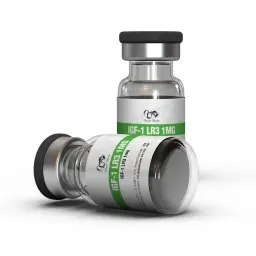
Manufacturer: Dragon Pharma, Europe
Substance: Insulin-like Growth Factor 1
Package: vial ( 1mg )
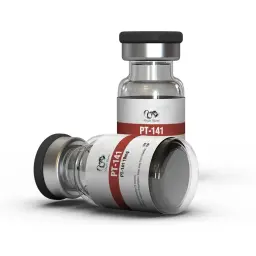
Manufacturer: Dragon Pharma, Europe
Substance: Bremelanotide
Package: vial ( 10mg )
Understanding Peptides in Modern Biomedical Research
Peptides are short chains of amino acids that function as biological signaling molecules throughout the human body. Unlike larger proteins, peptides often interact with highly specific receptors, enzymes, and cellular pathways, allowing them to influence targeted physiological processes. Their ability to mimic naturally occurring signaling compounds has made peptides a major area of investigation in endocrinology, metabolic medicine, regenerative biology, and longevity research.
The Dragon Pharma peptide category encompasses a broad range of compounds that can be divided into several functional groups, including growth hormone secretagogues, tissue-repair peptides, metabolic regulators, mitochondrial peptides, bioregulators, and endocrine-modulating compounds. This diversity allows researchers to investigate multiple biological pathways ranging from body composition and recovery to cellular resilience and healthy aging.
Growth Hormone Secretagogues and the GH–IGF-1 Axis
One of the largest peptide subcategories involves compounds designed to influence growth hormone release. Rather than supplying exogenous growth hormone directly, these peptides stimulate endogenous signaling pathways associated with pituitary growth hormone secretion.
Products such as CJC-1295, CJC-1295 DAC, CJC-1295 No DAC, Ipamorelin, GHRP-2, GHRP-6, Hexarelin, Sermorelin, Tesamorelin, and combination formulations such as CJC-1295 + Ipamorelin operate through different but complementary mechanisms.
- GHRH analogs: CJC-1295, Sermorelin, and Tesamorelin mimic growth hormone releasing hormone signaling.
- Ghrelin receptor agonists: Ipamorelin, GHRP-2, GHRP-6, and Hexarelin stimulate growth hormone release through the ghrelin receptor pathway.
- Combination formulations: CJC-1295 and Ipamorelin blends target multiple regulatory mechanisms simultaneously.
Although these compounds are often grouped together, their pharmacological profiles differ significantly. Hexarelin is generally considered one of the more potent secretagogues, whereas Ipamorelin is frequently studied for its receptor selectivity. Tesamorelin has attracted particular interest due to its investigation in visceral adipose tissue and metabolic research settings.
Researchers exploring this category may also investigate related compounds such as Somatropin, which represents recombinant human growth hormone rather than a secretagogue.
Regenerative and Tissue-Support Peptides
Another important segment consists of regenerative peptides that are frequently studied for their influence on tissue repair, angiogenesis, cellular migration, and inflammatory signaling.
Key compounds within this category include BPC 157, TB 500, Thymosin Alpha, and Copper Peptide (GHK-Cu).
BPC 157 has become one of the most widely discussed regenerative peptides due to extensive preclinical research examining tendon, ligament, gastrointestinal, and soft-tissue repair mechanisms. Experimental literature suggests that its biological activity may involve modulation of growth factors, nitric oxide signaling, and vascular responses.
TB 500, a synthetic derivative associated with Thymosin Beta-4 biology, is often investigated for its potential role in cell migration and tissue remodeling. Researchers frequently compare BPC 157 and TB 500 because their proposed mechanisms appear complementary rather than identical.
GHK-Cu (Copper Peptide) occupies a distinct position within the regenerative category due to its involvement in extracellular matrix regulation, collagen synthesis, and skin biology research.
Metabolic and Body Composition Peptides
The emergence of peptide-based metabolic therapies has transformed obesity and metabolic research. Dragon Pharma's portfolio includes several compounds targeting appetite regulation, energy expenditure, glucose metabolism, and fat oxidation.
This group includes Adipotide, AOD 9604, Cagrilintide, Mazdutide, Survodutide, and MOTS-c.
AOD 9604 is a modified fragment derived from human growth hormone research. Unlike full-length growth hormone, it was specifically developed to investigate pathways associated with lipolysis and fat metabolism while minimizing effects on growth-related signaling pathways. Research has examined its influence on fat oxidation and adipose tissue regulation.
Cagrilintide belongs to a newer generation of metabolic peptides acting as an amylin analogue, while Mazdutide and Survodutide represent advanced receptor agonists that target multiple metabolic pathways simultaneously. Dual agonist compounds have gained substantial attention because they may influence both appetite control and energy expenditure through separate receptor systems.
MOTS-c differs from traditional weight-management peptides because it is classified as a mitochondrial-derived peptide. Research focuses on cellular energy regulation, metabolic flexibility, and mitochondrial signaling rather than appetite modulation alone.
Mitochondrial and Longevity-Focused Peptides
A growing area of peptide research involves compounds associated with cellular aging, mitochondrial health, and biological resilience.
Epitalon, MOTS-c, Mitochondria-Targeted Peptide (including SS-31-type compounds), Testagen, Ovagen, and other bioregulators belong to this category.
Bioregulators are generally shorter peptide sequences designed to interact with gene expression and cellular regulatory processes. Unlike conventional receptor-targeting peptides, these compounds are often investigated for their potential influence on cellular adaptation and tissue-specific biological functions.
Epitalon has attracted significant interest in longevity research due to investigations involving telomerase activity, circadian regulation, and cellular aging mechanisms. Meanwhile, mitochondrial peptides such as MOTS-c and SS-31-related compounds are studied for their potential roles in energy production efficiency and oxidative stress management.
Neuroendocrine and Reproductive Signaling Peptides
Several peptides within this category influence neuroendocrine signaling pathways rather than growth hormone or metabolic systems.
DSIP (Delta Sleep-Inducing Peptide), Kisspeptin, and Bremelanotide are representative examples.
DSIP has historically been investigated for its relationship with sleep architecture and neuroendocrine regulation. Kisspeptin plays a critical role within the hypothalamic-pituitary-gonadal axis and has become increasingly relevant in reproductive endocrinology research.
Bremelanotide functions through melanocortin receptor pathways and is distinct from compounds such as Melanotan, although both originate from melanocortin-related research.
Why Peptides Are Becoming Increasingly Important
Peptide science occupies a unique position between traditional small-molecule pharmaceuticals and large biologic therapies. Their high receptor specificity, predictable amino acid structure, and expanding therapeutic potential continue to drive innovation across multiple medical disciplines.
The Dragon Pharma peptide category reflects this evolution by bringing together established compounds such as Somatropin, BPC 157, and CJC-1295 alongside emerging metabolic peptides such as Mazdutide, Survodutide, and Cagrilintide. Collectively, these products represent a diverse toolkit for investigating growth hormone regulation, tissue repair, metabolism, mitochondrial function, healthy aging, and cellular signaling pathways.
Related Categories

