


Oral Steroids (36 Offers)
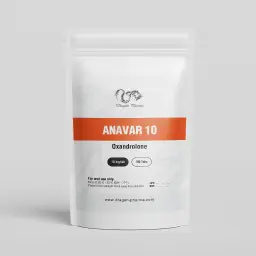
- Manufacturer: Dragon Pharma
- Active Ingredients: Oxandrolone
- Dosage: 10 and 50 mg pills (1000 or 5000 mg per pack)
- Package Size: 100 pills
- Form: Oral/Tablets (square oragen pills)
- Use: Cutting Cycles for lean muscle growth while losing body fat

- Brand: Dragon Pharma
- Active Ingredients: Stanozolol
- Dosage: 10/50 mg per pill (1000/5000 mg per pack)
- Package Size: 100 pills
- Form: Oral (square yellow tablets)
- Use: Cutting Cycle, Lean Mass, Strength Increase
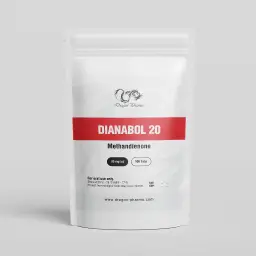
- Brand: Dragon Pharma
- Active Ingredients: Methandienone
- Dosage: 20/50 mg per pill (2000/5000 mg per pack)
- Package Size: 100 pills
- Form: Oral (red square pills)
- Use: Bulking cycle, primarily as a cycle kickstart
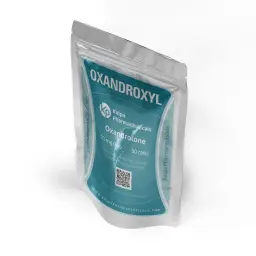
- Brand: Kalpa Pharmaceuticals
- Active Ingredients: Oxandrolone
- Dosage: 10 mg per pill (500 mg per pack)
- Package Size: 50 pills
- Form: Oral
- Use: Cutting cycle
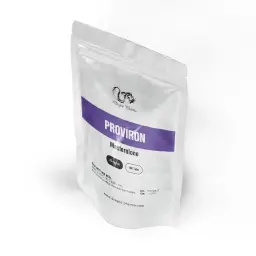
- Brand: Dragon Pharma, Europe
- Active Ingredients: Mesterolone
- Strength: 25 mg/tab
- Unit: 1 x 100 tabs
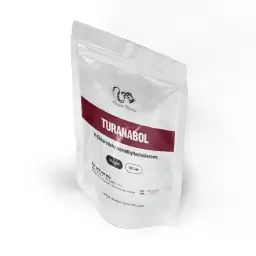
- Brand: Dragon Pharma, Europe
- Active Ingredients: 4-Chlorodehydromethyltestosterone
- Strength: 20 mg/tab
- Unit: 1 x 100 tabs
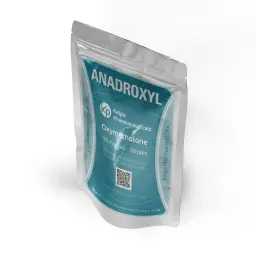
- Brand: Kalpa Pharmaceuticals
- Active Ingredients: Oxymetholone
- Dosage: 50 mg per pill (2500 mg per pack)
- Package Size: 100 pills
- Form: Oral/Tablets
- Use: Bulking cycle, strength increases, Anemia Treatment
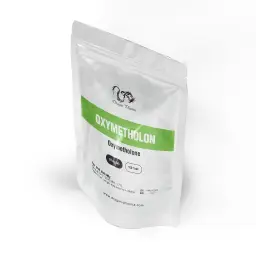
- Brand: Dragon Pharma, Europe
- Active Ingredients: Oxymetholone
- Strength: 50 mg/tab
- Unit: 1 x 100 tabs
What Are Oral Steroids?
Oral steroids are anabolic-androgenic steroids (AAS) formulated for administration by mouth. Unlike most injectable testosterone esters, oral compounds must survive extensive first-pass metabolism in the liver before entering systemic circulation. To achieve sufficient oral bioavailability, many oral steroids are structurally modified through 17α-alkylation, a chemical alteration that allows the molecule to resist rapid hepatic breakdown. This modification is largely responsible for the effectiveness of oral anabolic steroids but is also associated with increased liver stress compared to many injectable alternatives.
Most oral anabolic steroids exert their effects through activation of the androgen receptor (AR). Following receptor binding, they influence gene transcription involved in protein synthesis, muscle hypertrophy, recovery, red blood cell production, and nitrogen retention. While all anabolic steroids share a common androgenic foundation, significant differences exist in anabolic potency, estrogenic activity, tissue selectivity, and metabolic pathways.
Major Categories of Oral Steroids
Testosterone-Derived Oral Steroids
Several well-known oral compounds originate from modifications of the testosterone molecule. These include Methandienone (Dianabol), Oxymetholone (Anadrol), Methyltestosterone, and Chlorodehydromethyltestosterone (Turinabol). These compounds are generally recognized for their pronounced anabolic effects and their ability to rapidly increase body weight, strength, and training performance.
Methandienone remains one of the most historically significant oral anabolic steroids and is characterized by rapid absorption and relatively short half-life. Turinabol, developed as a modified derivative of Methandienone, was designed to reduce androgenic and estrogenic activity while preserving anabolic effects.
Dihydrotestosterone (DHT) Derivatives
A second major category includes DHT-derived compounds such as Oxandrolone (Anavar), Stanozolol (Winstrol), Mesterolone (Proviron), and Methenolone Acetate (Primobolan Oral). These compounds cannot undergo aromatization into estrogen, resulting in pharmacological profiles that differ substantially from testosterone-derived steroids.
DHT derivatives are often studied for their effects on lean tissue preservation, strength development, and body composition. Oxandrolone is particularly notable due to its extensive medical history and use in catabolic conditions involving muscle wasting and recovery. Stanozolol exhibits unique structural modifications that distinguish it from most other anabolic steroids and contribute to its characteristic pharmacodynamic profile.
How Oral Steroids Differ From Injectable Steroids
The primary distinction between oral and injectable steroids lies in pharmacokinetics. Oral compounds generally reach peak blood concentrations more rapidly and possess shorter half-lives, requiring more frequent administration. Injectable preparations, particularly long-ester testosterone products, release active hormone gradually over extended periods.
Because many oral steroids are 17α-alkylated, they may place greater stress on hepatic metabolic pathways. This characteristic explains why oral steroids are often used for shorter durations in both clinical research and non-medical settings. Non-alkylated oral compounds such as Mesterolone represent exceptions and demonstrate different hepatic safety profiles.
Common Oral Steroids Found in This Category
- Oxandrolone (Anavar)
- Oxymetholone (Anadrol)
- Methandienone (Dianabol)
- Stanozolol (Winstrol)
- Chlorodehydromethyltestosterone (Turinabol)
- Mesterolone (Proviron)
- Methenolone Acetate (Primobolan Oral)
- Fluoxymesterone (Halotestin)
- Methyltestosterone
- Methasterone (Superdrol)
Mechanisms Beyond Muscle Growth
Although anabolic steroids are commonly associated with skeletal muscle development, their biological activity extends far beyond hypertrophy. Activation of androgen receptors influences numerous physiological systems, including bone metabolism, erythropoiesis, neuromuscular efficiency, connective tissue adaptation, and endocrine signaling.
Certain compounds exhibit substantial effects on red blood cell production, increasing oxygen transport capacity. Others demonstrate pronounced impacts on nitrogen retention and protein turnover, which may influence recovery from injury, surgery, or prolonged catabolic states. These broader physiological actions explain why several oral anabolic steroids were originally developed for therapeutic applications before becoming associated with athletic performance enhancement.
Pharmacological Differences Between Compounds
Not all oral steroids produce identical biological responses. Structural modifications can dramatically alter anabolic potency, androgen receptor affinity, metabolism, estrogen conversion potential, and tissue selectivity.
- Oxandrolone: Known for relatively low androgenic activity and high anabolic efficiency.
- Methandienone: Produces rapid increases in strength and body mass but exhibits estrogenic activity.
- Oxymetholone: Recognized for potent anabolic effects and significant influence on body weight.
- Stanozolol: A non-aromatizing DHT derivative with unique effects on strength and physique composition.
- Turinabol: Developed to provide a balance between anabolic activity and reduced androgenic expression.
- Mesterolone: Primarily valued for androgenic properties rather than substantial anabolic activity.
Related Categories
Users researching oral steroids frequently explore related categories including injectable testosterone compounds, long-acting anabolic steroids, cutting steroids, bulking steroids, and peptide-based performance enhancement products. Understanding how oral compounds compare with these alternatives provides important context when evaluating differences in pharmacokinetics, administration methods, and physiological effects.
Scientific and Clinical Perspective
From a pharmaceutical perspective, oral anabolic steroids represent an important class of synthetic androgen receptor modulators developed through decades of medicinal chemistry research. Their structural diversity illustrates how small molecular modifications can substantially alter biological activity, oral bioavailability, and tissue-specific effects.
While many oral steroids were originally investigated for medical indications such as muscle wasting disorders, severe weight loss, osteoporosis, delayed development, and recovery from trauma, they have also become extensively studied in sports medicine, endocrinology, and performance physiology. Understanding their pharmacology requires consideration of both their anabolic potential and their broader endocrine effects.

